Retail tech is having a moment. Not the hype-cycle kind. Tools that help revenue, tighten operations, and improve customer experience in measurable ways.
The real hype is that they present new opportunities for digital marketing specialists. And if that’s you, welcome to the retail tech playground.
Because the OGs know that the right tech doesn’t support campaigns. It amplifies them. Let’s get started on noteworthy trends that are pulling their weight.
1. Digital Signage That Converts
Static signage is out. Dynamic, data-driven displays are in. And they’re doing more than looking pretty.
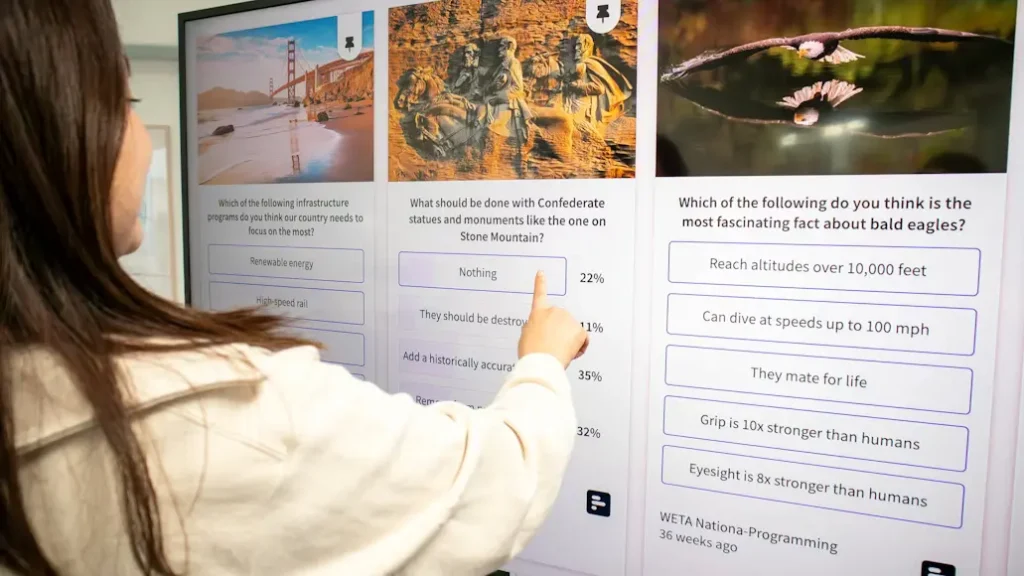
Digital signage companies in Milwaukee are already ahead of the curve. They’re implementing AI-driven, interactive, and sustainable experiential installations in retail stores.
Digital displays in Milwaukee are created on flexible, scalable tech, and major sporting venues and corporations are seeing the value in it. The Associated Bank River Center and Milwaukee Bucks & Arena District are a few worth mentioning.
Getting retail digital signage installed comes with some challenges. The Office Technology Group suggests enlisting an experienced team to connect displays to your network.
Why it Works for Marketers
- Real-time campaign adjustments
- Hyper-local messaging
- Seamless omnichannel storytelling
Many retailers are upgrading to digital displays to boost in-store engagement without blowing the budget. It’s subtle but effective.
2. Agentic AI Is Moving From Buzzword to Backbone
AI isn’t new. Agentic AI? Well, that’s a whole different ballgame. These systems act autonomously and are changing the game.
Retailers are using it to automate decision-making, personalize journeys, and optimize pricing in real time. Deloitte’s Brian McCarthy tells SmartBrief that value-conscious consumers are driving demand for smarter, faster, more relevant experiences.
What Agentic AI Unlocks
- Predictive recommendations that actually convert
- Automated campaign optimization
- Real-time customer journey adjustments
This isn’t just efficiency. It’s precision marketing at scale.
3. Retail Media Networks Are Exploding
Retailers are no longer selling products. They’re selling ad space.
Retail media is projected to reach massive valuations, with estimates of $200 billion by 2027, according to The Future of Commerce Media 2025.
Brands are investing heavily because these networks offer first-party data and high-intent audiences.
Why You Should Care
- Better targeting than third-party platforms
- Closed-loop attribution (finally)
- Higher ROI on ad spend
If you’re not factoring retail media into your strategy, you’re already behind.
4. Hyper-Personalization Powered by Data
Customers expect brands to know them. Not in a creepy way. In a “this is exactly what I need” way.
Retail leaders are leaning into advanced analytics to deliver tailored experiences across channels. Deloitte’s Retail and Consumer Trends 2026 highlights personalization as a key differentiator in competitive markets.
What it Looks Like in Action
- Personalized email and SMS journeys
- In-store offers synced with online behavior
The payoff? Higher conversion rates and stronger brand loyalty.
5. Seamless Omnichannel Experiences
The line between online and offline is basically gone.
Consumers bounce between channels, and they expect consistency every time. The National Retail Federation (NRF) emphasizes that retailers investing in unified commerce are winning on both convenience and experience.
Key Upgrades Worth Investing in
- Click-and-collect systems
- Unified inventory visibility
- Cross-channel customer profiles
For marketers, this means campaigns that flow, not fragment along the way.
6. Smart Stores Driven by Real-Time Data
Retail spaces are becoming data engines. Sensors, IoT devices, and analytics tools feed real-time insights into operations and marketing strategies.
Retailers are transforming raw data into actionable experiences that improve efficiency and customer satisfaction.
What You Gain
- Foot traffic insights
- Heatmaps for in-store behavior
- Smarter merchandising decisions
Translation: Better campaigns. Better placement. Better results.
7. Resilient, Tech-Driven Supply Chains
Not flashy, yet crucial.
Supply chain disruptions have forced retailers to rethink everything. Tech is central to forecasting demand, managing inventory, and reducing risk.
Reports from McKinsey and Deloitte’s industry outlook point to digital transformation as essential for resilience and growth. Strategy& explains how tech-enabled agility is shaping the future of retail.
If anything, they all indicate that tech is at the forefront of every retail trend, including supply chains.
Why Marketers Should Pay Attention
- Fewer stockouts = better campaign performance
- Accurate demand forecasting
- Stronger customer trust
Because nothing kills a campaign faster than “out of stock.”
Invest Smarter, Not Louder
Retail tech isn’t chasing trends. It’s choosing tools that deliver measurable impact.
The winners? Brands that blend smart tech with sharp strategy. Digital displays, AI, retail media, and real-time data are multipliers.
Before you jump on the next shiny tool, ask one question: Will this make the customer experience faster, smoother, or more relevant?
If the answer is yes, you’re on the right track.
