Balancing inventory levels is a critical challenge for businesses of every size. Accuracy matters not only for cost control but also for meeting customer demands and increasing overall efficiency. As businesses juggle multiple channels, suppliers, and seasonal changes, technology such as inventory management software becomes a central pillar for any effective strategy.
Gone are the days when spreadsheets and manual counts could guarantee inventory accuracy. Modern inventory management relies on data-driven processes and advanced technologies to keep operations running smoothly. The emergence of artificial intelligence (AI) now enables companies to take inventory optimization to the next level, automatically adjusting stock levels, predicting demand, and saving time and money without compromising customer satisfaction.
Leveraging the right tools empowers businesses to adapt quickly to market shifts, avoid overstocking or running short, and reduce losses due to errors or miscalculations. Maintaining this balance means understanding not just what’s on the shelf, but also how smart systems can work behind the scenes to forecast, replenish, and report, all with minimal human intervention and reduced risk.
Consistent focus on adopting proven best practices is vital for inventory planning, as is regular evaluation of internal methods to find out what is effective and what should be improved. New waves of automation and AI-driven analysis continually raise the bar for operational excellence, setting new benchmarks for efficiency and accuracy in inventory management.
The Role of AI in Inventory Management
AI-driven inventory management deeply impacts the way organizations oversee their stock and warehouse processes. By analyzing enormous volumes of sales, supply chain, and market data in real time, AI uncovers trends and Information that manual methods are unable to provide. For example, advanced algorithms can identify subtle shifts in purchasing behavior, helping pinpoint when to reorder and what quantities to keep on hand.
Research highlights that organizations using AI tools report up to 15 hours of staff productivity recovered per week as repetitive, error-prone tasks are handed over to intelligent systems. AI-driven platforms commonly include demand forecasting, automated reordering, and dynamic price optimization. With the majority of businesses that implement AI reporting improved visibility and fewer overstock situations, automated systems are clearly becoming an industry standard for success, as highlighted by CNBC.
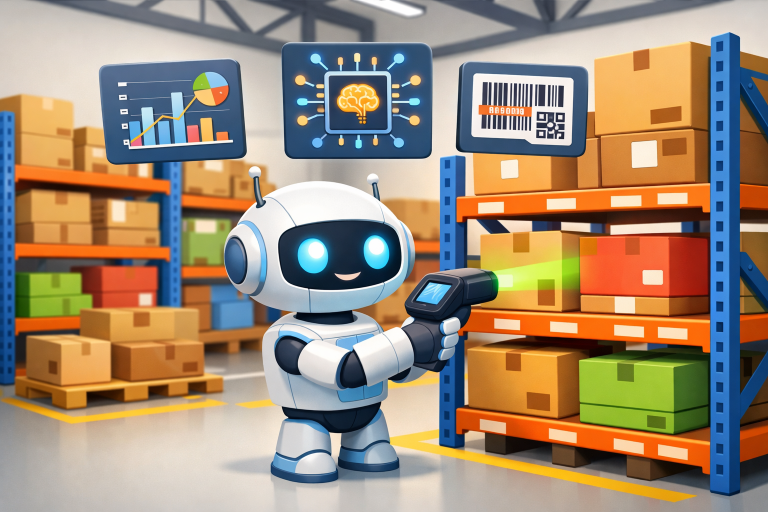
More than just crunching numbers, AI enhances integration across varied departments and channels. It also enables quick adaptation to disruptions, such as sudden demand spikes, by suggesting appropriate stock adjustments. The result is a more agile, cohesive, and resilient inventory operation that consistently optimizes performance and boosts the bottom line.
Best Practices for Streamlining Inventory Operations
Organizations looking to make the most of their inventory solutions should implement a handful of essential best practices. These strategies have been shown to reduce waste, inefficiency dramatically, and missed sales opportunities:
- Implement Perpetual Inventory Systems: Real-time tracking of inventory levels provides immediate visibility and allows for prompt corrective action to avoid both shortages and excess stock. Automated inventory management platforms now provide businesses with continuous, up-to-date information across locations, as noted in Logiwa’s guidance.
- Regular Audits and Data Analysis: Regularly scheduled audits identify discrepancies between recorded and actual stock, prompting timely interventions. Deep analysis of sales trends and purchasing cycles allows managers to forecast demands more accurately and make better restocking decisions.
- Utilize Automation Tools: Technology like barcode scanners, RFID systems, and automated reporting minimizes errors caused by manual entry. With staff less tied to repetitive tasks, they can instead focus on customer service improvements and strategic planning.
- Standardize Processes: Clear protocols for receiving, stocking, picking, and shipping ensure everyone on the team knows exactly how to handle products. Having standardized workflows enhances efficiency and makes it easy to onboard new employees or introduce new systems.
- Forecast with Precision: AI-powered forecasting tools leverage historical sales data, seasonality, and external trends to predict future demand, reducing the risk of over- or under-ordering.
Case Studies: Successful Implementations
Companies across different industries have shared remarkable stories of success after investing in automation and AI-driven inventory strategies:
- Lowe’s: This major home improvement retailer partnered with Relex Solutions to overhaul its inventory planning. By harnessing the power of AI, Lowe’s achieved more accurate stock positioning and reduced occurrences of out-of-stock items. The data-driven platform analyzes customer preferences and buying shifts, helping keep shelves stocked with what local shoppers want. More details can be found in a Supply Chain Dive article.
- H&M: The international clothing brand employs data analytics and live sales tracking to match inventory levels to local demand in real time. By analyzing regional sales, forecasting trends, and keeping a pulse on shopper interests, H&M effectively minimizes waste, reduces markdowns, and ensures the most sought-after items are always available. These efforts have helped H&M improve both inventory turnover and customer satisfaction, as outlined in a Supply Chain Digital article.
Conclusion
Optimized inventory management is more than a behind-the-scenes efficiency; it directly affects profitability, brand reputation, and the customer experience. Companies of all sizes should explore the wide range of available AI and automation tools, paired with time-tested best practices, to remain competitive in a rapidly changing business world. By continually improving their inventory processes, organizations can meet evolving customer needs, lower operational costs, and maintain a competitive advantage. Staying proactive and informed about technological advancements will ensure inventory operations remain a powerful driver of business success.
