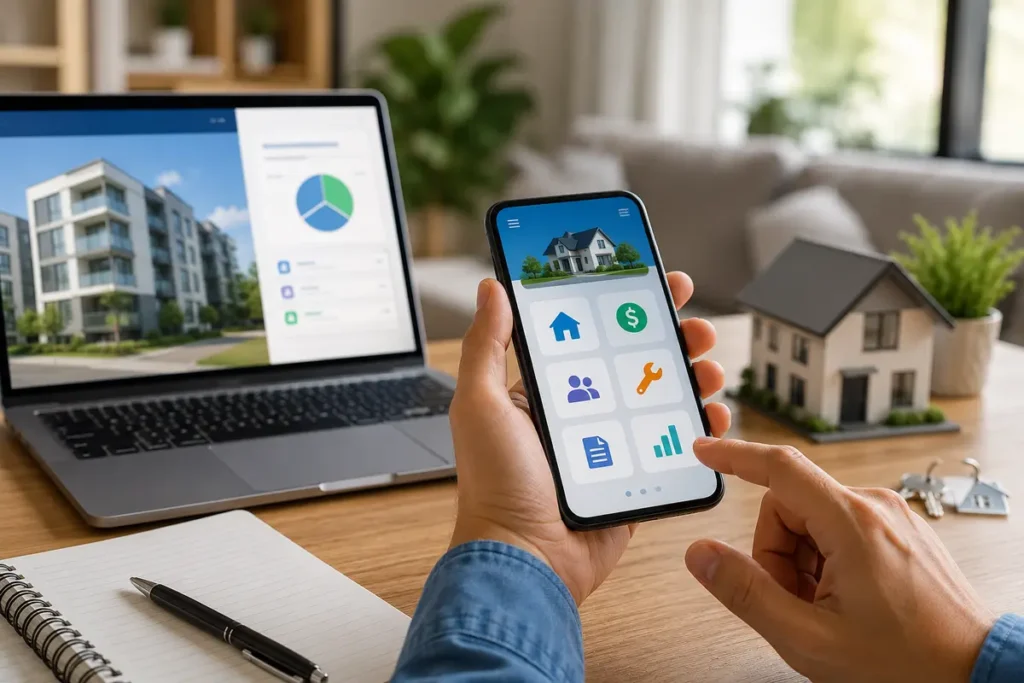
Have you ever needed to answer a tenant, check a payment, or handle a repair request while you were away from your desk?
Many landlords deal with this every week. Rental work does not always happen during office hours. It can happen while you are shopping, traveling, having lunch, or managing another property.
This is why mobile devices have become so useful for property owners. A phone or tablet can now handle many daily rental tasks that once needed paper files, phone calls, and long email chains. With the right digital tools, landlords can stay organized, respond faster, and manage their properties with less stress.
Why Mobile Property Management Is Becoming So Common
Landlords want simple ways to manage tasks without being tied to one place. Mobile tools help make that possible. They bring key rental tasks into one easy space, so owners can check updates, send messages, and review records whenever needed.
Convenience for Busy Landlords
Many landlords manage rentals alongside other work or family duties. They may not have time to sit at a computer all day. Mobile access gives them more freedom.
For example, a landlord can check if rent has been paid while waiting in line. They can reply to a tenant message during a break. They can also review a maintenance photo without visiting the property right away.
This kind of access saves small amounts of time throughout the day. Over weeks and months, those small savings can make rental management feel much easier.
Faster Communication With Tenants
Good communication is a big part of successful rental management. Tenants often need quick answers about rent, repairs, lease details, or move-in steps.
Mobile tools make it easier to respond without delay. A landlord can send updates, share reminders, and keep conversations in one place. This helps avoid missed messages and confusion.
Clear communication also creates a better rental experience. Tenants feel more informed, and landlords can keep better records of what was discussed.
Key Landlord Tasks You Can Handle From a Mobile Device
Modern digital solutions can support many parts of the rental process. They are not just for sending messages. They can help with rent collection, screening, maintenance, documents, and financial tracking.
Rent Collection and Payment Tracking
Collecting rent is one of the most important landlord tasks. Mobile payment tools make this process smoother for both landlords and tenants.
Instead of waiting for checks or handling cash, tenants can pay online. Landlords can then check payment status from their phone. They can see who has paid, who has not, and when payments were received.
This also makes recordkeeping easier. Payment history can be stored digitally, which helps when reviewing income, preparing reports, or checking past transactions.
Tenant Screening and Application Review
Finding the right tenant is an important step before signing a lease. Mobile tools can help landlords review applications and organize applicant details in one place.
During this stage, landlords may use a tenant credit and background check to understand an applicant’s rental readiness better. This can support a more informed decision when comparing applications.
Mobile access is helpful because landlords can review information quickly. They can check application details, request missing documents, and move the process forward without needing to return to an office.
Maintenance Requests and Repairs
Maintenance can take a lot of time if it is not organized well. Mobile solutions make it easier for tenants to report issues and for landlords to respond.
A tenant can send a repair request with notes and photos. The landlord can review the issue, contact a service provider, and track the progress from a mobile device.
This helps reduce back-and-forth messages. It also keeps repair history in one place. Over time, this can help landlords understand which properties or appliances need the most attention.
How Digital Tools Help Landlords Stay Organized
Organization is one of the biggest benefits of mobile property management. When everything is stored digitally, landlords spend less time looking for papers, old messages, or payment notes.
Lease Documents and Important Files
Lease agreements, notices, inspection records, and receipts are easier to manage when they are stored online. Landlords can open documents from a phone and share them when needed.
This is useful during move-ins, renewals, or tenant questions. Instead of searching through folders, the landlord can quickly find the right file.
Digital storage also helps reduce clutter. It keeps important information safer and easier to access.
Reminders and Task Lists
Landlords have many dates to remember. These can include rent due dates, lease renewals, inspection dates, insurance updates, and maintenance follow-ups.
Mobile reminders can help keep these tasks on track. A simple alert can prevent missed deadlines and reduce last-minute stress.
Task lists are also helpful for landlords who manage more than one rental. They can see what needs attention today, this week, or later in the month.
Expense and Income Records
Tracking money is easier when landlords use digital records. They can enter expenses, save receipts, and review rental income from a mobile device.
This helps with budgeting and planning. It can also make tax preparation more organized because records are already stored in one place.
Clear financial tracking helps landlords understand how each property is performing. They can see repair costs, rent income, and other expenses more easily.
Tips for Choosing Mobile-Friendly Rental Solutions
Not every digital tool is the right fit for every landlord. The best option depends on the number of properties, daily tasks, and personal comfort with technology.
Look for Simple Navigation
A good mobile tool should be easy to use. Landlords should be able to find payments, messages, documents, and tasks without confusion.
Simple navigation matters because rental work often happens quickly. If a tenant has a question or a repair issue comes up, the landlord should not have to search through a complicated system.
Choose Tools That Support Daily Tasks
It is better to choose tools that match real daily needs. Some landlords may only need rent tracking and messaging. Others may need screening, maintenance tracking, accounting, and document storage.
Before choosing a tool, it helps to list the tasks that take the most time. Then landlords can look for digital solutions that make those tasks easier.
Keep Security in Mind
Rental management involves personal and financial information. Landlords should use tools that offer secure access, strong passwords, and safe document storage.
It is also smart to keep devices updated and avoid using public networks for sensitive tasks. Simple habits can help protect important rental information.
Making Mobile Management Part of Your Routine
Using mobile tools works best when they become part of a regular routine. Landlords do not need to change everything at once. Small steps can make a big difference.
They can start by tracking rent payments digitally. Then they can add maintenance requests, document storage, or reminders. Over time, more tasks can move into a simple mobile system.
The goal is not to make property management feel complicated. The goal is to make it smoother, faster, and easier to handle from anywhere. With the right digital setup, landlords can stay connected, keep better records, and manage rental properties with more confidence.
