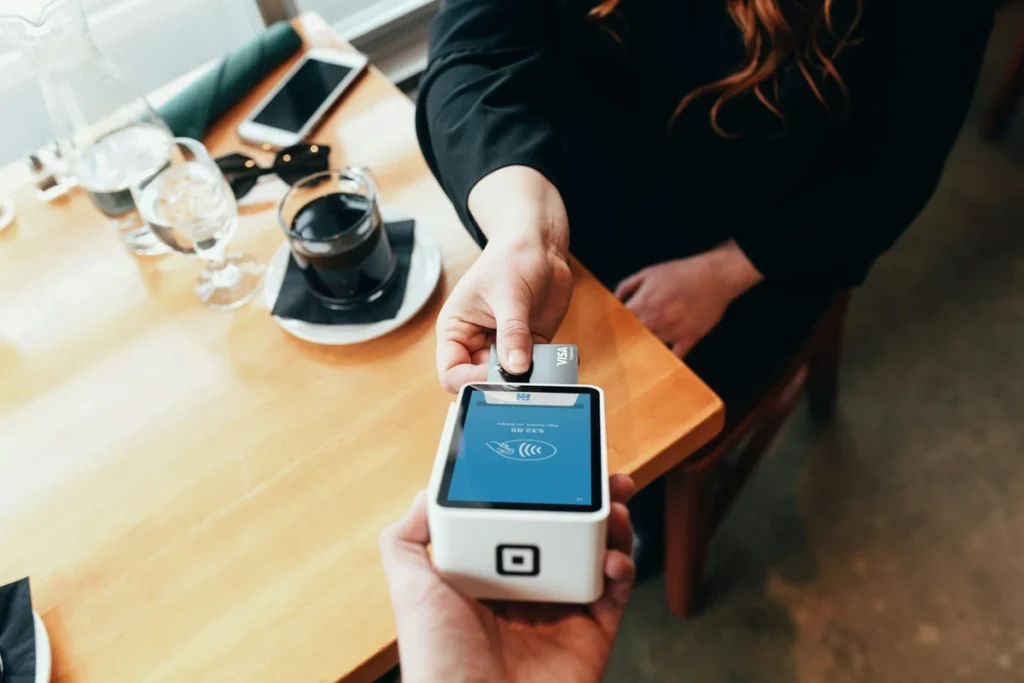
The way customers pay for things is changing faster than ever. Think about it: a quick tap for coffee, or buying a sofa online with a payment plan. The checkout process looks totally different from what it did just a few years ago. For businesses, keeping up isn’t just about making things convenient; it’s about staying in business. If you want to meet customer expectations and grow, you need to understand where both in-person and online payments are headed.
Contactless Payments on the Rise
Swiping a magnetic stripe is quickly becoming a thing of the past. Nowadays, people expect to tap their card, phone, or watch to buy something. This move to contactless payments has really sped up, and now you see it everywhere, from grocery stores to small shops. These payments are not only quicker but also safer than older methods. Reports on global card payment trends show this trend will keep growing fast. To offer these options, businesses need a modern point-of-sale (POS) system and a flexible merchant account provider that can handle these transactions smoothly and affordably.
E-commerce Payment Trends
Online, everyone is trying to make checking out as easy as possible. Shoppers don’t have much patience for long, complicated forms. This has led to a few big trends:
- Digital Wallets and Finance Apps: Services like Apple Pay, Google Pay, PayPal, and other digital finance apps let customers pay without typing in their card details, which makes the process much faster.
- Buy Now, Pay Later (BNPL): Companies like Klarna and Afterpay offer options to split bigger purchases into smaller, interest-free payments. This can lead to more sales and higher average order values.
- One-Click Checkout: When you securely save a customer’s payment and shipping info, they can buy things in the future with just one click.
Integrating POS with Online Stores
A big change for businesses today is moving towards an “omnichannel” approach. This means your in-person POS system and your online store should work together. When these systems are connected, you get a full picture of your whole business. You can track inventory across all channels in real-time, so you don’t accidentally sell something online that’s out of stock. It also makes for a better customer experience, allowing things like buying online and picking up in-store, or easily returning online purchases at a physical store.
Security in Every Transaction
Every new payment method brings new security concerns. Luckily, payment technology has gotten better at protecting both businesses and customers. For example, tokenization replaces sensitive card data with a unique, non-sensitive identifier, or “token.” If there’s a data breach, these tokens are useless to fraudsters. Plus, biometric authentication on personal devices, like fingerprint scanners and face recognition, adds another layer of security to mobile and online payments, making it much harder for unauthorized transactions to happen.
Personalized Payment Experiences
The future of payments isn’t just about technology; it’s about making things personal. By looking at transaction data, businesses can offer more relevant and rewarding experiences. Imagine a system where a customer’s loyalty points are automatically used at checkout, or they get a personalized financing offer for a big item right when they’re about to pay. These are some of the key trends in retailer payments that are turning the simple act of paying into a chance to create better relationships with your customers.
Ultimately, the goal is to make paying so easy and natural that customers barely think about it. By using modern, secure, and integrated payment solutions, you can give customers the experience they expect and set your business up for success.
