Storing a lawn mower the right way during winter protects the engine, blades, and body from damage. A few careful steps now can prevent rust, fuel problems, and hard starting when spring arrives. Many owners push the mower into a shed and forget about it, then face clogged carburetors, dead batteries, and cracked fuel lines months later. You can avoid those headaches with a simple checklist. Focus on cleaning off grass, treating or removing fuel, checking wear parts, and choosing a dry, safe spot. Whether you own a gas walk‑behind, riding mower, or battery model, the same basic rules apply. Follow the steps below to keep your mower ready for a smooth first cut next season.
What Steps Should You Take Before Storing a Lawn Mower?
Cleaning the Mower and Removing Grass Debris
Start by disconnecting the spark plug wire or removing the battery so the mower cannot start. Let the engine cool completely. Use a stiff brush, plastic scraper, or putty knife to remove packed grass from the deck, chute, and blade area. Built‑up grass holds moisture, which causes rust and corrosion during winter. Avoid tipping a gas mower on its side toward the air filter or carburetor; lean it back safely instead, following the manual. Wash the exterior with a garden hose or damp cloth to remove dirt and dried clippings, then dry all surfaces with a towel. Check under the deck again once dry. Finish by lightly spraying metal parts, cables, and the underside of the deck with a silicone spray or light oil to add protection.
Draining or Stabilizing Fuel Properly
Gasoline breaks down over time and can form varnish and deposits inside the carburetor and fuel lines. Before winter, decide whether to run the tank dry or treat the fuel. For long storage in cold climates, many technicians prefer to add fuel stabilizer to fresh gas, run the engine for several minutes, then shut it off and leave the treated fuel in the system. This coats internal parts and helps prevent corrosion. Another option is to safely drain the tank and carburetor bowl into an approved fuel container, then run the engine until it stalls. Never store the mower with old, untreated fuel. Always follow the owner’s manual, use fresh gasoline, and handle fuel outdoors and away from flames or sparks.
Inspecting and Replacing Key Components
Winter storage gives you a perfect time to inspect key parts so the mower is ready when grass starts growing. Check the blade first. If it looks dull, bent, or chipped, remove it according to the manual and sharpen or replace it. A sharp blade cuts cleaner and reduces strain on the engine. Inspect the air filter; a dirty, clogged filter makes the mower run poorly. Replace foam or paper filters as needed. Look over the spark plug for heavy deposits, cracks, or worn electrodes. Replace it if it shows wear or has served several seasons. Check drive belts, cables, and wheels for cracks or damage. Addressing these items now saves time in spring and extends the life of the machine.
How to Store Your Lawn Mower Safely in Winter?
Choosing the Right Storage Location
Pick a dry, covered location that shields the mower from snow, rain, and direct sunlight. A garage, shed, or dedicated storage room works best. Avoid spots with standing water or high humidity, which promote rust and electrical problems. Keep the mower away from furnaces, water heaters, and open flames, especially if fuel remains in the tank. Store it on a flat, stable surface where it will not tip or roll. If space is tight, some models allow vertical storage; only do this if the manufacturer approves it. Keep children and pets from climbing on the mower. Store fuel separately in approved containers. Good airflow and a stable temperature will protect metal parts, plastic housings, and rubber components all winter.
Protecting the Engine and Battery During Storage
Once the mower is clean and fueled correctly for storage, give the engine extra protection. Add a small amount of engine oil through the spark plug hole if your manual recommends fogging or cylinder protection, then pull the starter cord a few times to distribute it. Change the engine oil before storage so used oil does not sit in the crankcase for months. For battery‑powered mowers, remove the battery pack and store it indoors in a cool, dry place, away from direct heat or freezing temperatures. Charge lithium batteries to around 40–60 percent, not full, for long‑term storage. For riding mowers, disconnect the battery cables or remove the battery, clean the terminals, and store it where it will not freeze.

Covering and Positioning the Mower Correctly
After choosing the location, position the mower in its normal operating stance, not tilted, unless the manufacturer states otherwise. Engage the parking brake on riding mowers and block the wheels if needed. Do not rest heavy items on the deck or handles, since that can bend parts over time. Cover the mower with a breathable cover designed for outdoor power equipment. Avoid airtight plastic tarps that trap moisture and cause condensation and rust. Leave some space under the cover for air circulation. Ensure the cover fits snugly enough to keep dust and pests away. Check that the fuel cap is tight, oil leaks are not present, and the handles are locked. With everything secure, the mower can sit all winter safely.
Conclusion
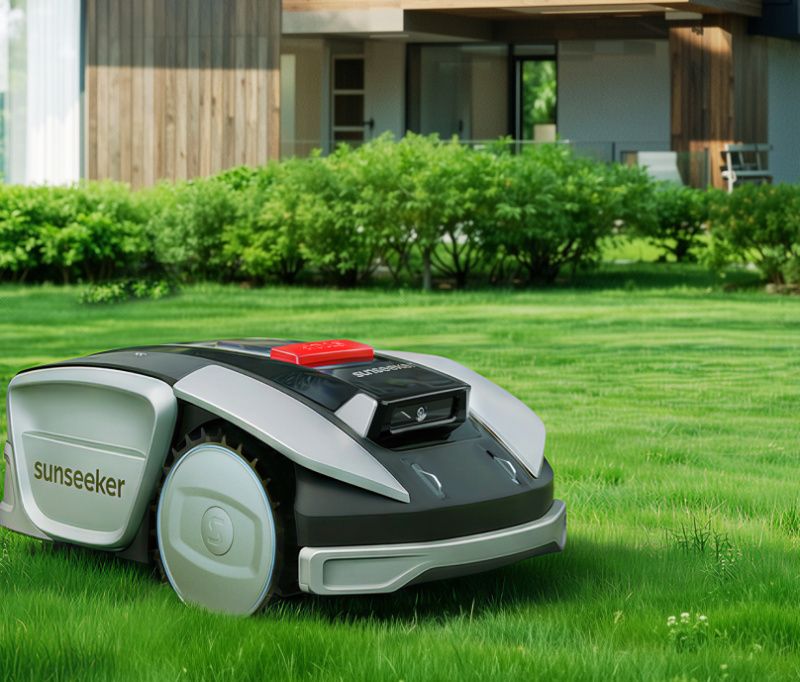
Proper winter storage does more than keep your Sunseeker S3 mower looking clean; it protects the engine, blade, and fuel system from serious damage. By removing grass debris, treating or draining fuel, and inspecting parts like the blade, air filter, and spark plug, you prevent many common springtime issues. Choosing a dry, safe storage spot and protecting the engine and battery reduces rust, corrosion, and starting problems. A breathable cover and correct positioning add another layer of protection. These simple steps take a short time at the end of mowing season but save money on repairs and downtime later. When spring arrives, your mower will start easier, run smoother, and deliver a clean cut from the first pass across your lawn.
